
Teaching Toddlers to Name Their Feelings (Fewer Tantrums, Really)
Most tantrums do not start with defiance. They start with a feeling a child cannot yet name. Give that feeling a word, and the storm gets shorter.
Children learn to look before they learn to listen. Teaching a child to tell a guitar from a violin trains an ear that later has to tell one letter sound from another.
A child who cannot hold a pencil is not behind. They are simply missing the muscles and the control that writing quietly assumes — and both are built by playing, not by drilling.

A child does not refuse broccoli because they dislike it. Very often they refuse it because they have never really looked at it — and unfamiliar food is, to a small child, a risk.

Most tantrums do not start with defiance. They start with a feeling a child cannot yet name. Give that feeling a word, and the storm gets shorter.

A three-year-old who cannot yet tie their shoes will happily say "Pachycephalosaurus". That is not a party trick — it is a child's brain doing something remarkable.

Alif, Ba, Ta — twenty-nine letters that open the Qur'an. Started early and gently, they become familiar shapes long before a child is asked to read them.
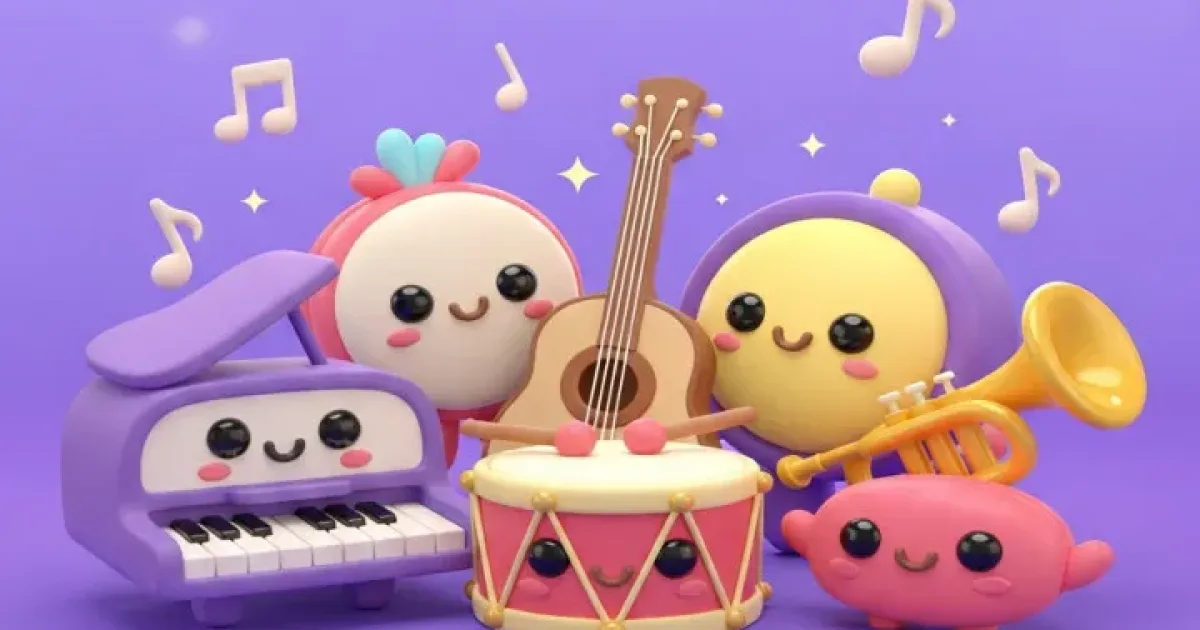
Children learn to look before they learn to listen. Teaching a child to tell a guitar from a violin trains an ear that later has to tell one letter sound from another.
A child who cannot hold a pencil is not behind. They are simply missing the muscles and the control that writing quietly assumes — and both are built by playing, not by drilling.

Cyrillic looks harder than it is — until you meet Р, Н and В, which look completely familiar and sound nothing like what you expect.

Hangul was invented on purpose, in the fifteenth century, so that ordinary people could learn to read in days rather than years. That design goal still helps a five-year-old today.

山 is a mountain. 火 is fire. 人 is a person. The first characters a child meets should be the ones that still look like the thing they name.
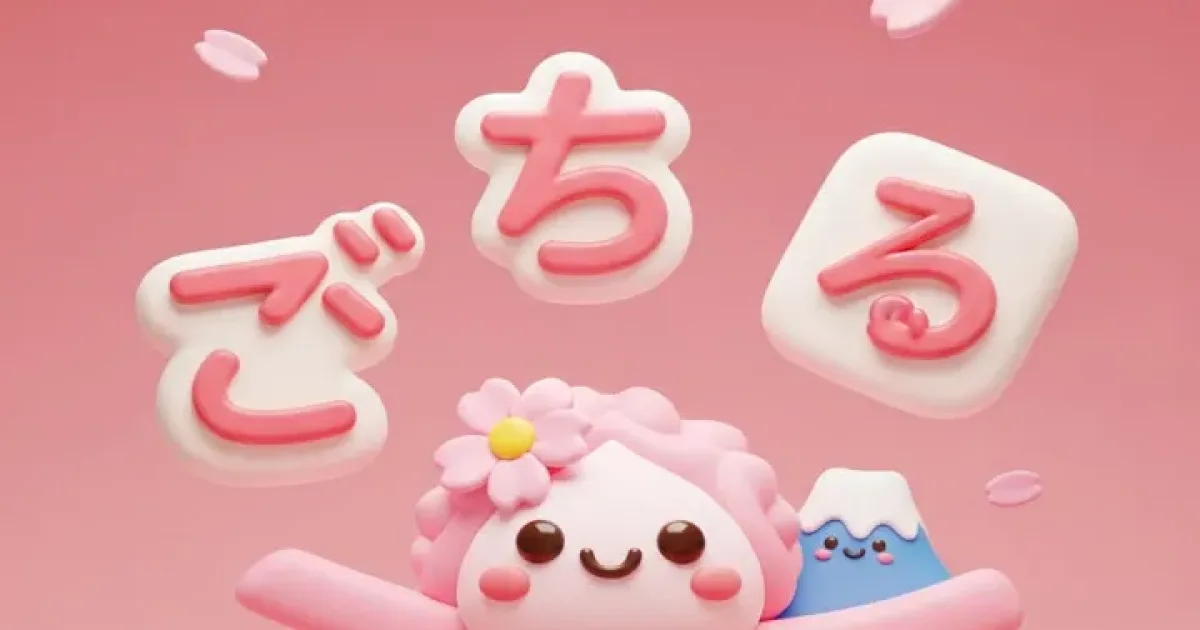
Hiragana has a quality most writing systems lack: every character says exactly one sound, always. For a small child, that consistency is a gift.
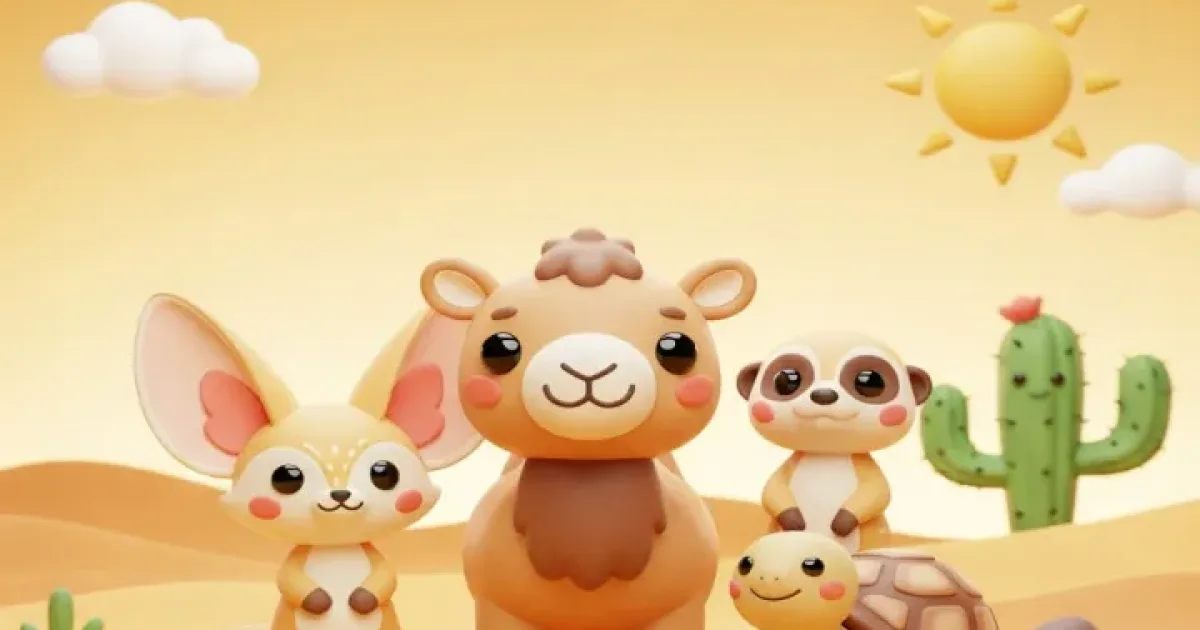
Why does a camel have a hump? Why are a fennec fox's ears so enormous? Desert animals are the easiest place for a child to meet an idea that runs through all of biology: bodies match the places they live in.