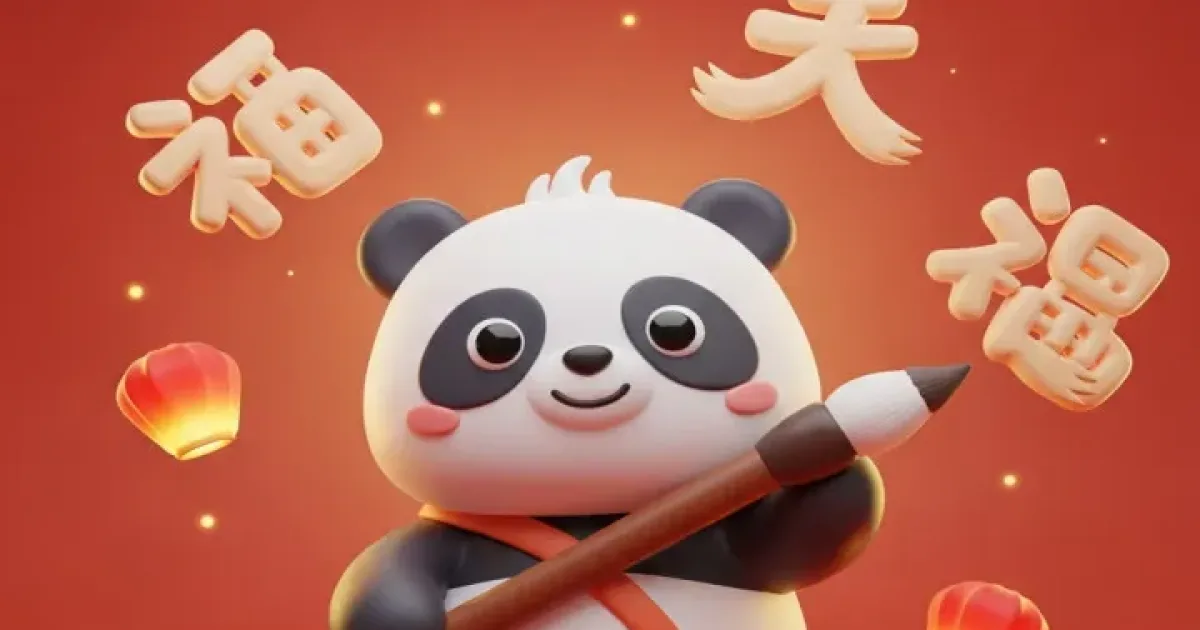
山 is a mountain. 火 is fire. 人 is a person. The first characters a child meets should be the ones that still look like the thing they name.
A character carries meaning, not just sound
This is the deep difference from an alphabet. In English, letters build a sound and the sound points at a meaning. In Chinese, the character points at the meaning directly — which is why a child can recognise 山 long before they can say much of anything in Mandarin.
That makes the earliest stage unusually rewarding. There is no waiting to blend sounds before something means something.
Begin with pictographs
A few dozen characters started life as drawings and still carry the shape: 山 (mountain), 火 (fire), 木 (tree), 日 (sun), 月 (moon), 水 (water), 人 (person), 口 (mouth).
Show the picture and the character side by side and a child usually sees it immediately. That first click — "oh, it is a mountain" — is what makes the rest feel possible.
Characters that build on each other
- 木 tree → 林 two trees, a wood → 森 three trees, a forest
- 日 sun + 月 moon → 明 bright
- 人 person → 大 big (a person with arms out) → 天 sky (above big)
- 口 mouth → 回 to return, a mouth inside a mouth
- 女 woman + 子 child → 好 good
Tones come from the ear, not the page
Mandarin has four tones, and they change meaning completely. No printed character shows a tone — a child gets it only by hearing the word said correctly, many times.
Which means: for hanzi more than any other script, listening comes first. Let a child hear the word, repeat it, and only then connect it to the shape.
How EduPlayKids helps
The Hanzi category introduces simple characters together with their meaning and a clear spoken recording. A child hears the word and taps the matching character — free forever, no reading needed.
When recognition settles, Trace Hanzi adds proper stroke order, which matters more in Chinese than in most scripts: the order is what makes a character look right and what dictionaries are built on.